Items to Consider With a Pool Installation
Installing a backyard pool involves choosing between in-ground and above-ground, fiberglass and concrete, securing permits, and undertaking extensive site preparation. Key steps include excavation, plumbing and filtration installation, setting the structure, backfilling, and adding decking. In-ground pools typically take several months to complete, while above-ground pools can often be installed in a weekend.
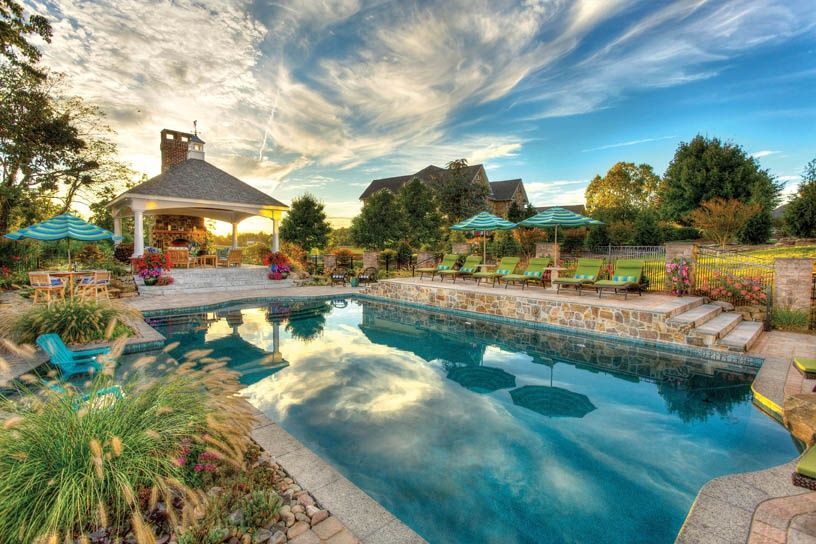
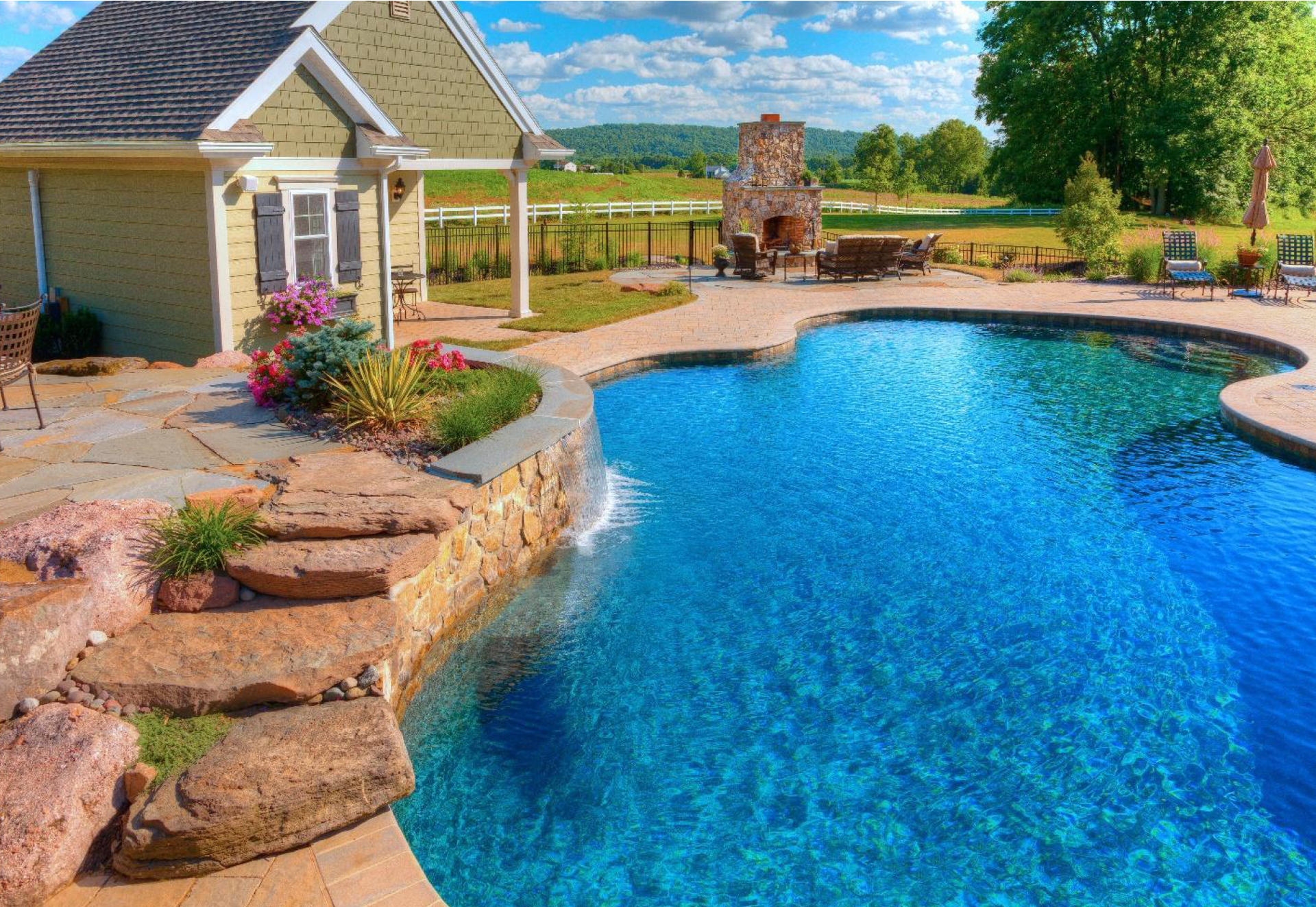
At Earth, Turf, & Wood, you work with a team that is passionate about bringing your vision to life, whether that means relaxing poolside, hosting summer gatherings, or simply cooling off with a quick dip.
Planning and Legal Requirements
- Choose Pool Type: Fiberglass is durable, while concrete allows custom shapes.
- Site Survey: Locate underground utilities, septic fields, and ensure compliance with zoning laws regarding property line setbacks.
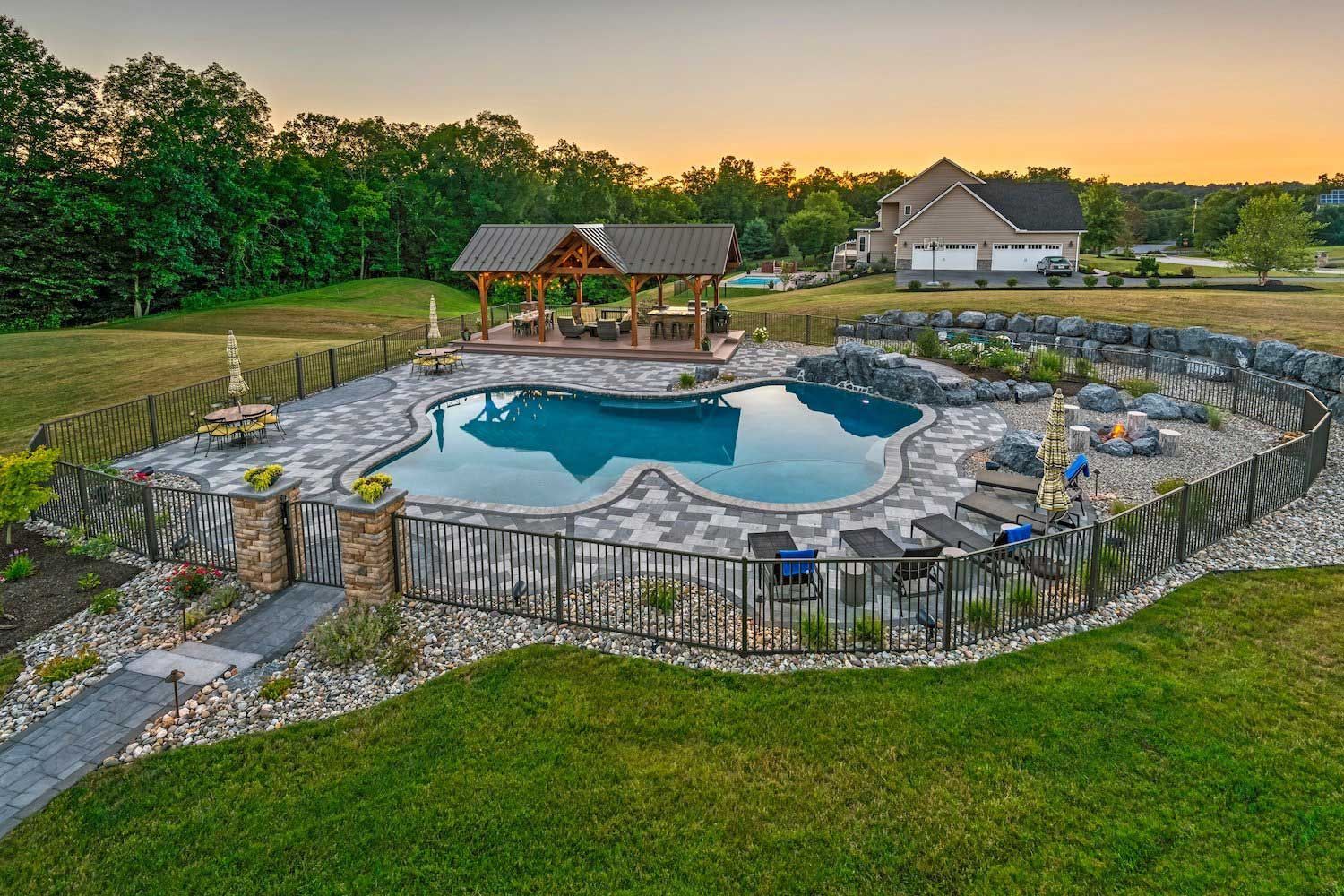
- Design: Plan for landscaping, fencing, patio, and safety features.
- Permits: Secure necessary building, electrical, and plumbing permits, which can take weeks or months.
Site Preparation and Excavation
- Marking: Outline the pool shape with spray paint, ensuring proper measurements.
- Excavation: Dig the hole, removing dirt and leveling the area. For in-ground pools, this requires heavy machinery.
- Leveling: Add a layer of gravel or sand to create a stable, level base
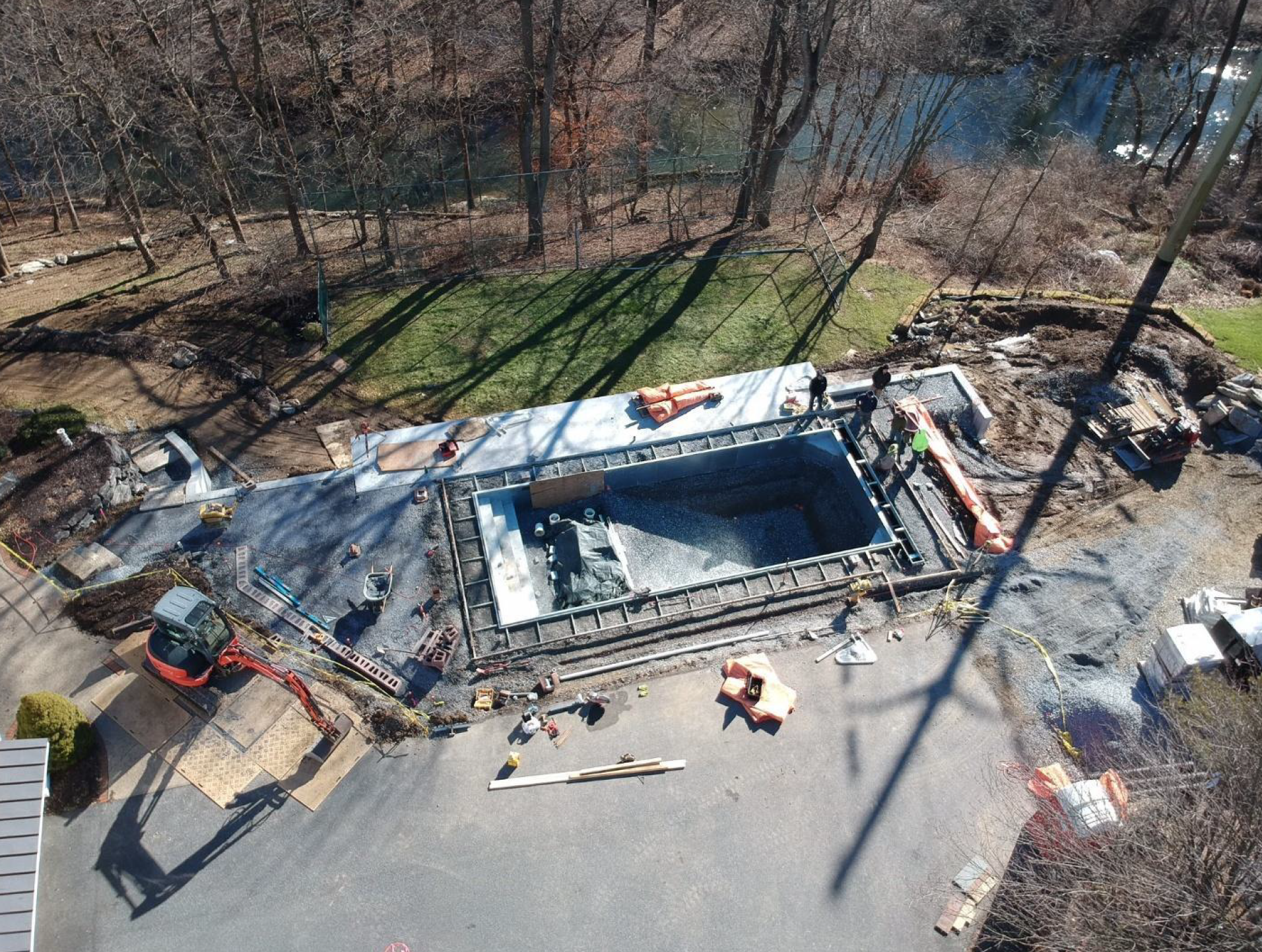
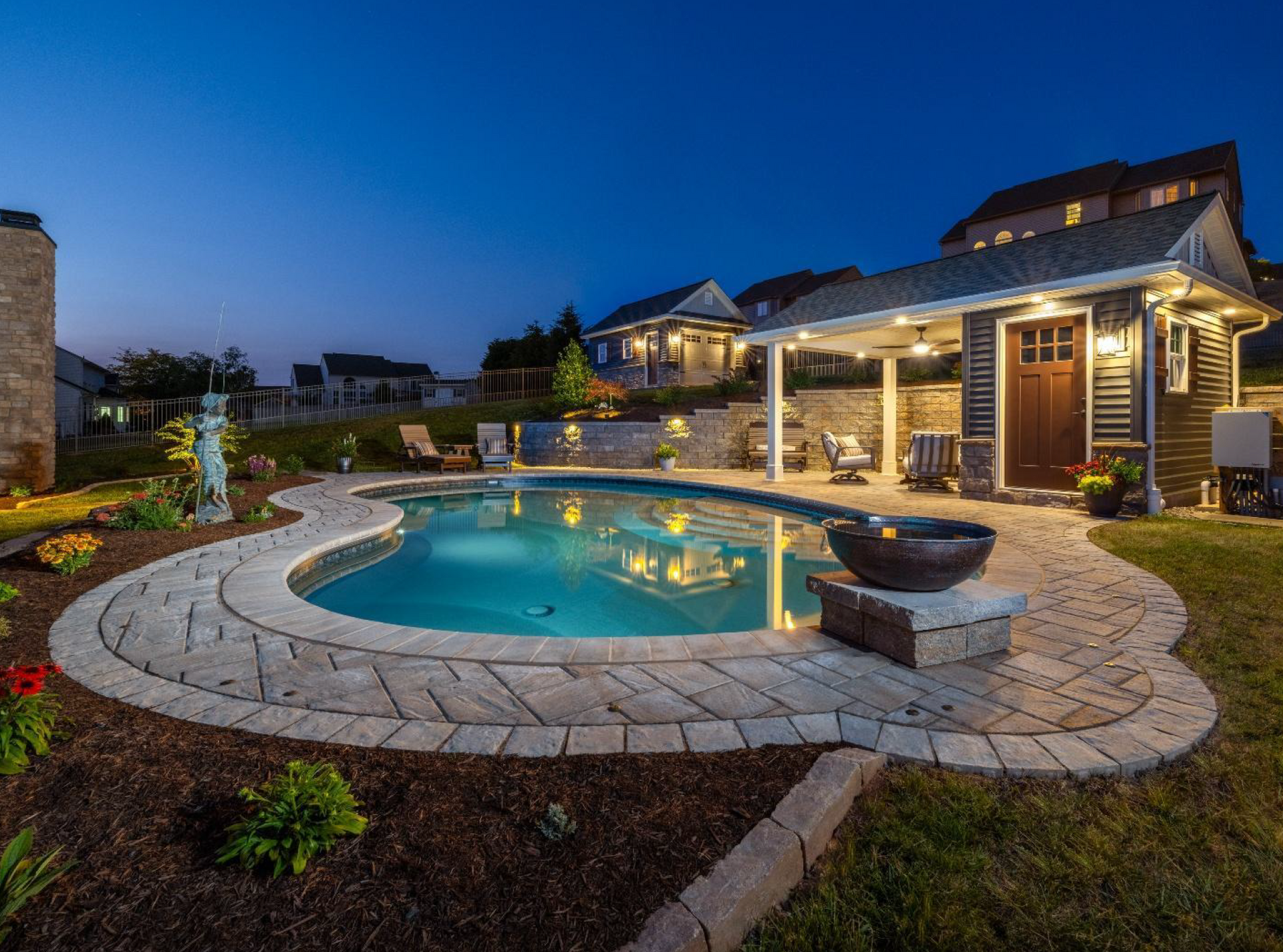
Fiberglass Pool Installation
Installing a fiberglass pool involves excavating the site, creating a stable gravel base, placing the shell with a crane, and simultaneously plumbing, filling with water, and backfilling with gravel. This process ensures structural stability and prevents shell damage. The project concludes with pouring a concrete bond beam and installing coping.
Concrete Pool Installation
Building a concrete pool involves an initial phase of layout and excavation, followed by structural plumbing and rebar installation. The shell is formed by applying pneumatic concrete (gunite or shotcrete). After curing, waterproof finishes such as tile, coping, and interior plaster are applied before the final filling and chemical start-up.
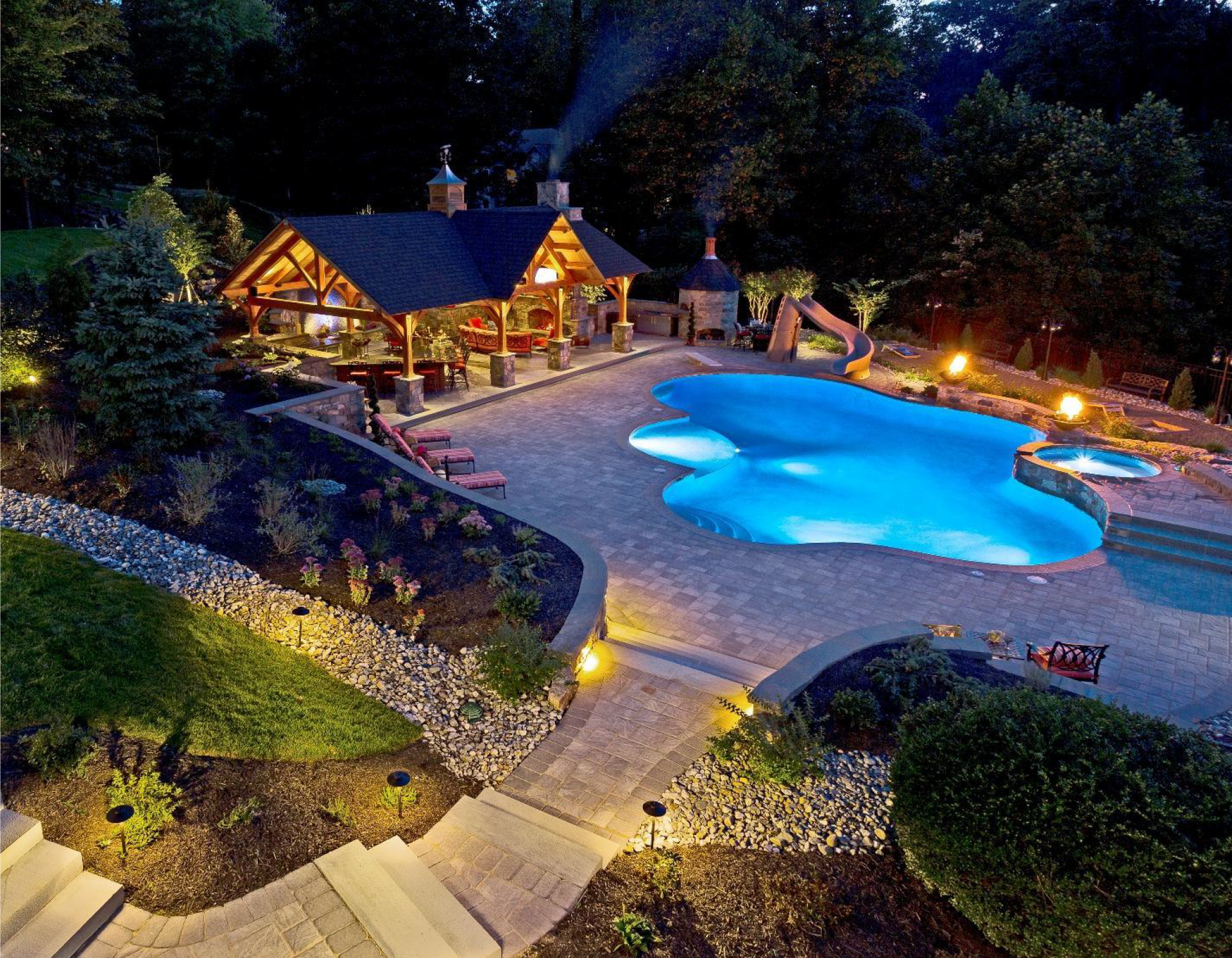
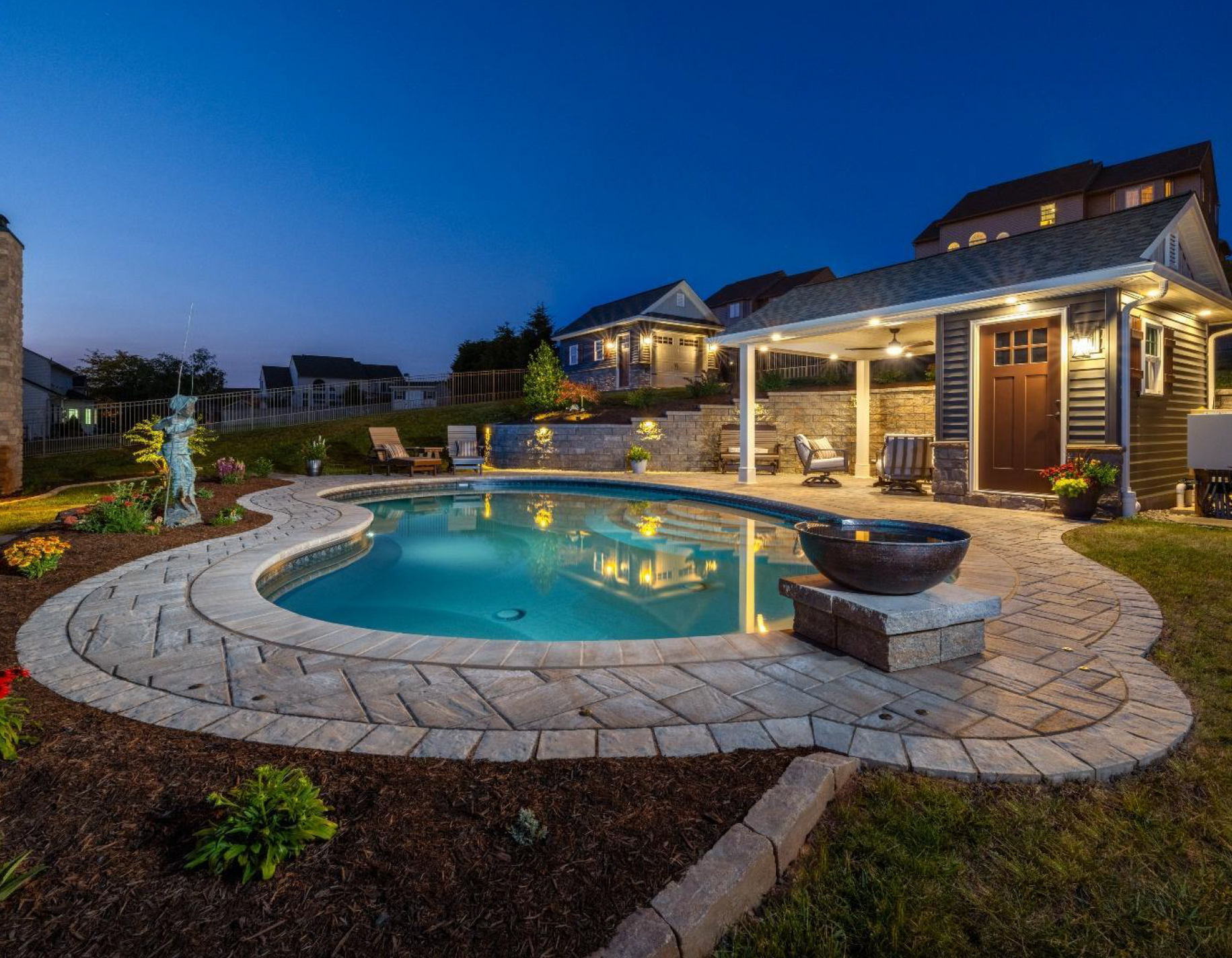
Fiberglass Pros and Cons
Pros:
- Low Maintenance: Non-porous surface resists algae and requires fewer chemicals.
- Fast Installation: Typically takes 3–6 weeks.
- Durability/Flexibility: Resistant to cracks and structural failure, even in shifting ground.
- Long-Term Cost Savings: Lower chemical, energy, and resurfacing costs.
- Smooth Surface: Gentle on feet and skin.
Cons:
- Limited Customization: Pre-built in standard shapes and sizes, usually limited to 16' wide or less.
- Higher Initial Shell Cost: Can sometimes be more expensive initially than basic vinyl, though often cheaper than concrete.
- Shipping Constraints: Large sizes are difficult to transport.
CONCRETE PROS AND CONS
Pros:
- Unlimited Design: Fully customizable to any shape, size, or depth, including vanishing edges.
- Longevity: Durable material that can last for decades.
- Aesthetic Appeal: Can be finished with luxury materials like tile or stone.
Cons:
- High Maintenance: Requires weekly brushing and more chemicals due to porous surfaces.
- Long Installation Time: Can take 3-6+ months for completion.
- Resurfacing Costs: Requires expensive acid washing and replastering every 10-15 years.
- Higher Lifetime Costs: Higher energy and chemical costs
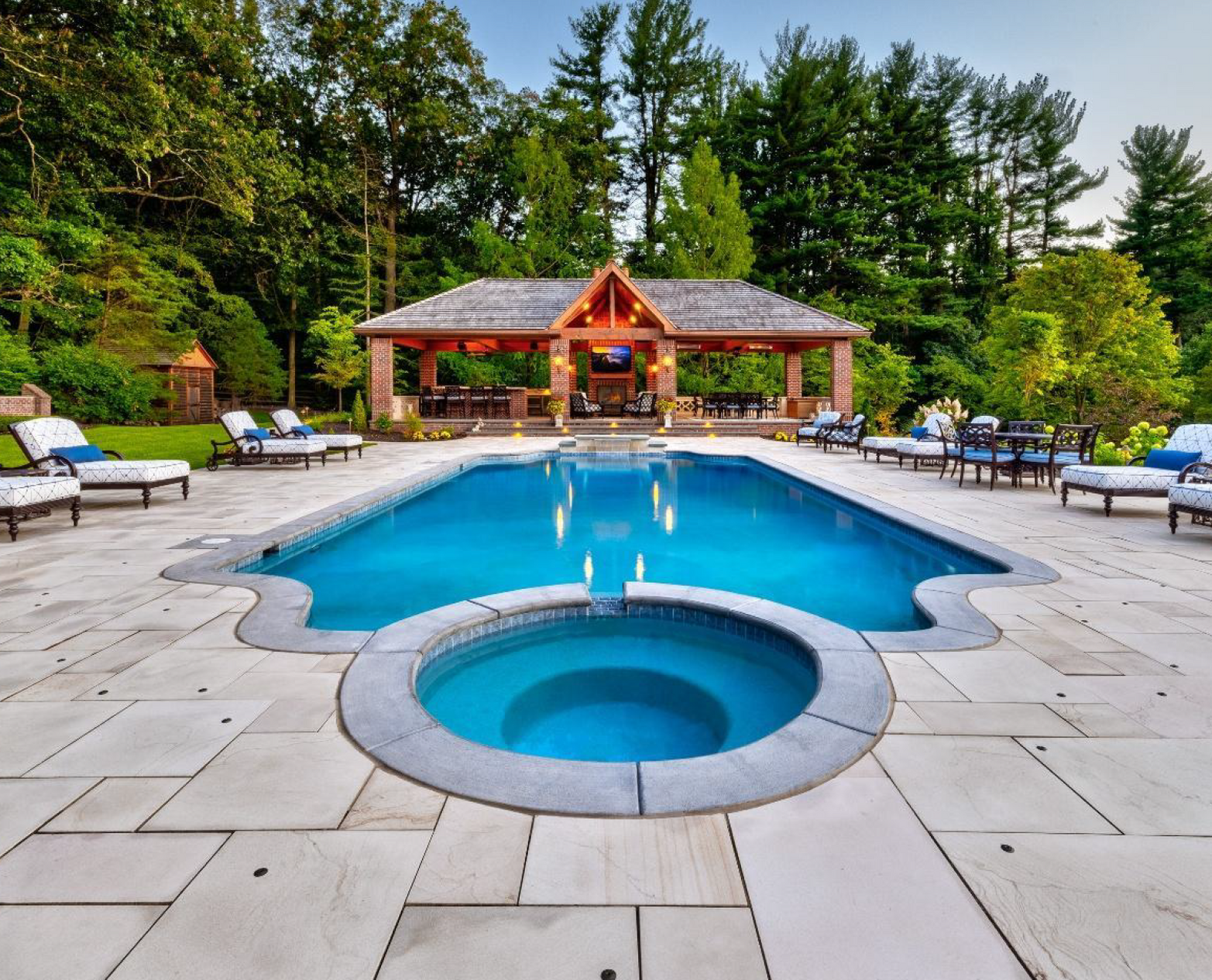
Transform Your Backyard
Please take a look at some of our additional blog posts on pool design and landscaping.
Feel free to look at pictures of pools and the surrounding areas that we’ve designed! And when you’re ready to begin your project at your home, contact us about a free consultation or call us at (717) 276-9447 to start discussing the possibilities!